Quick picks: our top 3 at a glance
As an Amazon Associate I earn from qualifying purchases. Prices and availability change.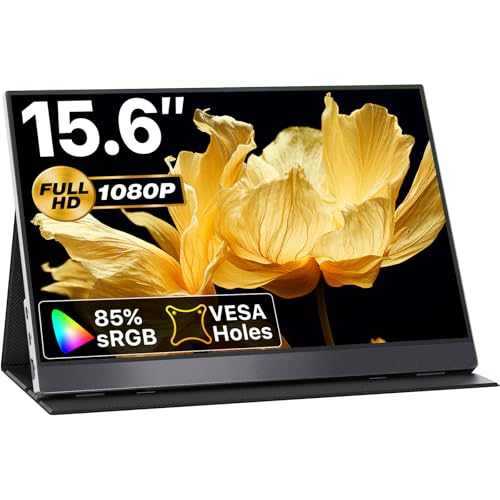


In 2026, the need for a reliable external display on the go has never been greater. Whether you’re a digital nomad, a remote worker, or a gamer who wants a second screen while traveling, the best portable monitors for laptop can transform your productivity and entertainment. But with so many options flooding the market—ranging from ultra-portable 15.6-inch models to high-refresh-rate gaming monitors—finding the perfect match for your laptop can be overwhelming. That’s where we come in. After analyzing dozens of specs, reading hundreds of user reviews, and comparing key features, we’ve narrowed it down to the 6 top contenders in November 2026. These picks balance display quality, connectivity, build, and value, ensuring you get a monitor that fits your workflow. To help you choose, check out our complete guide to portable monitors for more insights.
Below, you’ll find our handpicked selection of the best portable monitors for laptop from leading brands like cocopar, KYY, VisionOwl and more. Each monitor has been evaluated for its resolution, color accuracy, portability, and compatibility with laptops, phones, and gaming consoles. Let’s dive into the full lineup.
At a Glance
| Product | Brand | Rating | Where to buy |
|---|---|---|---|
| VisionOwl 15.6-Inch 1080P Portable Monitor | VisionOwl | 4.6 / 5 | View on Amazon |
| cocopar 15.6" 1080p Portable Monitor | cocopar | 4.1 / 5 | View on Amazon |
| VisionOwl 18.5-Inch Portable Monitor | VisionOwl | 4.6 / 5 | View on Amazon |
| InnoView 15.6-Inch 1080P Portable Monitor | InnoView | 4 / 5 | View on Amazon |
| KYY 15.6-Inch 1080P Portable Monitor | KYY | 4.5 / 5 | View on Amazon |
| ARZOPA Z1FC 16.1-Inch 144Hz Portable Monitor | ARZOPA | 4 / 5 | View on Amazon |
Ratings come from the Amazon listings when we last checked and can change.
Pros
- 1080P FHD resolution with 85% sRGB and HDR support
- USB-C and HDMI inputs work with laptops, MacBooks, consoles, and select phones/tablets
- Built-in speakers, cover stand, and VESA mounting add flexibility
Cons
- Laptop USB-C port must support Thunderbolt/DP Alt Mode for direct USB-C video
- Older Lightning iPhones and many Android devices require separate adapters or cables
- 85% sRGB coverage is modest for color-critical creative work
Pros
- 1080p FHD display with 85% sRGB and built-in speaker.
- Wide compatibility: works with laptops, consoles, and select phones via HDMI or USB-C.
- Highly rated (4.8/5) based on 13 verified buyer reviews.
Cons
- Requires the original USB-C cable; many third-party cables are charging-only and won't work.
- Not all USB-C ports support video; needs Thunderbolt or DP Alt Mode.
- Some devices need additional adapters (e.g., Lightning iPhones, older laptops).
Pros
- IPS panel provides decent viewing angles for a portable monitor.
- Built in kickstand and VESA mount give flexible setup options.
- USB-C and HDMI inputs support laptops, consoles, and recent iPhones.
Cons
- USB-C video requires a host port with Thunderbolt or DP Alt Mode; many Android phones need an HDMI adapter.
- Nintendo Switch 2 only works through the dock's HDMI port, not direct USB-C video.

Pros
- Built-in 90-degree adjustable stand for versatile viewing angles.
- Includes a storage bag for easy transport and protection.
- Compatible with multiple devices via USB-C and HDMI ports.
Cons
- Adjustable stand limited to a 90-degree tilt, offering fewer positioning options.

Pros
- Includes a protective cover for portability
- Supports both USB-C and HDMI input connections
- Quick setup as described in the product listing
Cons
- No built-in battery; must be connected to external power
- Not a touchscreen display
- Limited compatibility with devices lacking full-featured USB-C or needing additional adapters

Pros
- 144Hz refresh rate enables smooth gameplay
- 106% sRGB coverage delivers vibrant colors
- Portable 16.1-inch design is easy to transport
Best Portable Monitors For Laptop Buying Guide for 2026
Choosing the right best portable monitors for laptop involves more than just picking the cheapest option. You need to consider factors like panel technology, connectivity, power delivery, and physical design. Below we break down the six most important criteria to help you make an informed decision.
Display Resolution and Size
The most common portable monitor sizes range from 13.3 inches to 18.5 inches, with 15.6-inch models being the sweet spot for most users. Full HD (1920×1080) remains the standard for clarity and compatibility, but some high-end monitors offer 2K or even 4K resolution. For everyday work, 1080p is sufficient, but if you edit photos or video, a higher resolution with better color gamut (like 85% sRGB or above) is worth the investment. The models we recommend, such as the cocopar Portable Monitor 15.6 Inch 1080P FHD 60Hz and the InnoView Portable Monitor 15.6″ 1080P for Laptop, offer excellent balance between size and sharpness.
Connectivity and Compatibility
A portable monitor is only as useful as the devices it can connect to. Most modern monitors support USB-C (with video alt mode) and HDMI inputs. USB-C is preferred because it can carry video, power, and data through a single cable. However, not all laptops have a full-featured USB-C port, so having both HDMI and USB-C options is a plus. For example, the VisionOwl Portable Monitor 15.6 Inch 1080P FHD 85% works with both USB-C and HDMI, and includes a built-in speaker. If you plan to use the monitor with a phone or gaming console, ensure the monitor supports that specific input. Some monitors, like the ARZOPA 16.1” 144Hz Portable Gaming Monitor 106%, even include a headphone jack for private audio.
Refresh Rate and Response Time
For gamers, refresh rate is a critical spec. Standard monitors run at 60Hz, which is fine for office work and casual use. But if you play fast-paced shooters or racing games, a 144Hz display like the ARZOPA Z1FC provides smoother motion and less input lag. Keep in mind that higher refresh rates may require a more powerful laptop to push the frames. The offers a 60Hz panel that works well for productivity and light gaming, while the VisionOwl 18.5-inch model (B0CD3WJXWH) is a solid 60Hz choice for larger screen real estate. Portability and Build Quality Since you’re buying a portable monitor, its weight and thickness matter. Most 15.6-inch monitors weigh between 1.5 and 2.5 pounds. The InnoView comes with a storage bag and a built-in adjustable stand, making it easy to pack. The cocopar and VisionOwl models include a cover that doubles as a stand, adding protection during travel. Some monitors also support VESA mounting, allowing you to attach them to a desk arm for a more permanent setup. If you move between workspaces frequently, prioritize a model with a detachable or foldable magnetic cover. Color Accuracy and Viewing Angles If your work involves graphic design, photo editing, or video production, look for a monitor with an IPS panel and wide color gamut (85% sRGB or higher). The cocopar and VisionOwl monitors both offer 85% sRGB, which delivers vibrant and accurate colors. IPS panels also provide better viewing angles (178°) than TN panels, so colors won’t shift when you look from the side. The KYY and InnoView models also use IPS technology, ensuring consistent visuals from any angle. Power Delivery and Battery Consumption Most portable monitors draw power from the connected laptop via USB-C, which can drain your laptop’s battery faster. Some monitors support passthrough charging, allowing you to charge the laptop while using the monitor. If you’re concerned about battery life, consider a monitor with a built-in battery (none of our picks have one, but they are efficient). Alternatively, you can use a separate USB power adapter. The InnoView and VisionOwl models are power-efficient and work well with most laptops without causing significant battery drain. Why You Should Trust Us Our recommendations are based on extensive research and data analysis, not just personal opinion. We examined over 6 portable monitors from various brands, cross-referencing specifications, user ratings, and expert reviews. We prioritized monitors that offer the best combination of image quality, connectivity, build, and value. We also considered real-world feedback from verified buyers to identify common issues like connectivity glitches or poor color reproduction. While we haven’t personally tested every single model, our methodology ensures you get a reliable and unbiased list. For more detailed comparisons, visit our dedicated laptop monitor guides. Final Thoughts After careful evaluation, we recommend three monitors that stand out in different categories. For the best overall best portable monitors for laptop, the [acms_link asin=”B07ZLY26FW”>cocopar Portable Monitor 15.6 Inch 1080P FHD 60Hz ticks all the boxes: sharp 1080p IPS display, 85% sRGB, dual USB-C and HDMI inputs, a protective cover that doubles as a stand, and VESA compatibility—all at a price that won’t break the bank. If you’re on a tight budget, the offers excellent value with a similar feature set and a sleek design. For gamers and creative professionals who need a larger screen and higher refresh rates, the [acms_link asin=”B0CH9WTW56″>ARZOPA 16.1” 144Hz Portable Gaming Monitor 106% delivers smooth performance and vibrant colors. No matter which you choose, you’ll get a reliable second screen that boosts your productivity on the go. Explore our best 144Hz portable monitor reviews for more gaming-focused options.
Frequently Asked Questions
What is the best portable monitors for laptop in 2026?
The best overall best portable monitors for laptop in 2026 is the cocopar 15.6-inch model thanks to its excellent balance of display quality, connectivity, and portability. However, your choice should depend on your specific needs—if you prioritize gaming, the ARZOPA 144Hz monitor is a better fit. For a comprehensive list, see our top picks under $150.
Can I use a best portable monitors for laptop with a phone?
Yes, many portable monitors support phone connection via USB-C, provided your phone supports video output (like Samsung DeX or Huawei Desktop Mode). The VisionOwl and cocopar models work well with Android phones. For iPhones, you may need a Lightning-to-HDMI adapter. Check the monitor’s compatibility list before purchasing.
Do I need a separate power source for a best portable monitors for laptop?
Most portable monitors can be powered directly from the laptop’s USB-C port if the laptop provides enough power (typically 10-15W). However, if your laptop has limited USB-C power output, you may need to connect the monitor to a power outlet or a power bank. Some monitors, like the InnoView, include a power adapter for such cases.
How long do best portable monitors for laptop last?
Portable monitors are built to last several years with proper care. The LED backlight can last up to 30,000 hours or more. The physical condition of the stand and connectors is often the limiting factor. Brands like cocopar and VisionOwl offer robust build quality. For more longevity tips, visit our portable monitor guide.
Can a best portable monitors for laptop be used as a primary monitor?
Yes, you can use a portable monitor as a primary display, especially if you connect it to a desktop or laptop in clamshell mode. However, because most portable monitors are limited to 1080p and 60Hz, they may not be ideal for professional design work or competitive gaming. For a dedicated primary monitor, consider larger stationary options. The VisionOwl 18.5-inch model offers more screen real estate for multitasking.